
Cameroon Economic Outlook: Leveraging Forest Resources and Natural Assets for Sustainable Growth
October 16, 2025

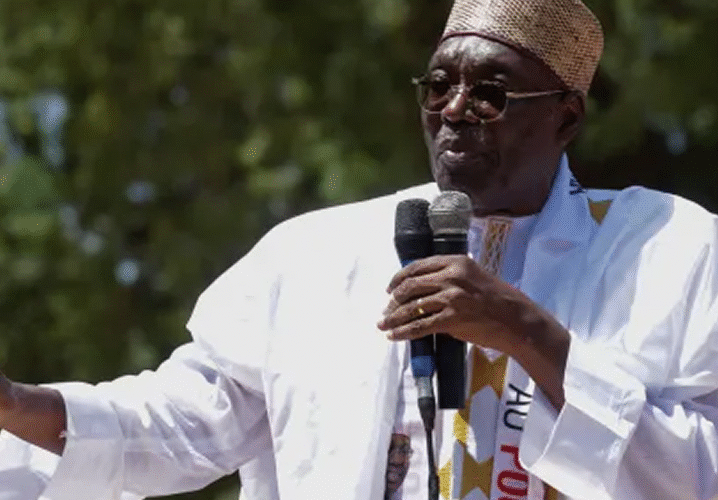
YAOUNDÉ, Cameroon — Political tensions are mounting in Cameroon after leading opposition candidate Issa Tchiroma Bakary unilaterally declared victory in the country’s presidential election, even before official results were announced.
In a five-minute video message posted to social media early Tuesday, Tchiroma proclaimed himself the “rightful choice of the people”, calling on President Paul Biya, the 92-year-old incumbent and Africa’s longest-serving leader, to gracefully concede defeat.
“The people have spoken. Their choice must be respected,”
Tchiroma asserted in the video, striking a tone of triumph and urgency.
The Cameroonian government swiftly responded, warning that only the Constitutional Council — the country’s top electoral authority — has the legal power to declare election results.
The Council has up to two weeks to officially confirm and announce the outcome.
A government spokesperson reiterated that premature declarations of victory risk destabilizing the post-election atmosphere and urged all candidates to await official tallies.
Tchiroma, once a close ally and government spokesman under Biya’s administration for nearly two decades, dramatically broke ranks in June to launch his own presidential bid.
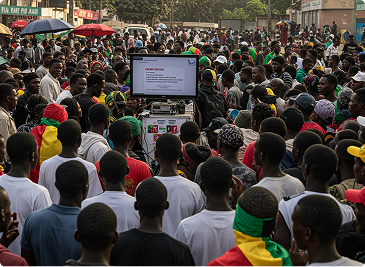
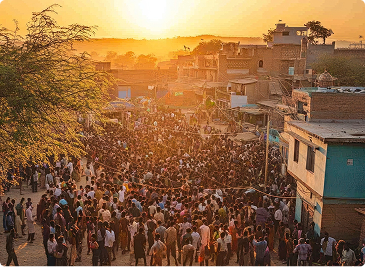
Since then, his campaign has gained significant momentum, drawing massive rallies, youth support, and endorsements from a broad coalition of opposition parties and civic movements eager for political change.
Political observers have described him as the strongest challenger Biya has faced in decades, tapping into growing frustration over economic stagnation, corruption, and regional tensions.
Despite the apparent surge in opposition enthusiasm, analysts say President Biya remains heavily favored to secure another seven-year term.
Having ruled Cameroon since 1982, Biya maintains tight control over state institutions, media, and the security apparatus — factors that have historically helped him consolidate power.
Known for his low-profile leadership style and long absences abroad, Biya is often described as the world’s oldest serving head of state. His supporters portray him as a symbol of stability, while critics accuse him of authoritarianism and political inertia.
As Cameroonians await the official results from the Constitutional Council, tension and anticipation are rising nationwide.
While Tchiroma’s bold declaration electrified his supporters, it also heightened fears of potential unrest should the final announcement contradict his claim.
For now, the nation stands at a crossroads — between continuity and change, legacy and reform, as the world watches whether Paul Biya’s four-decade reign will finally meet its reckoning.


Leave Your Comment