- +91-11-43014683
- Working Hour: 09.30am to 4:30pm

Cameroon
- Home
- Cameroon
About Cameroon
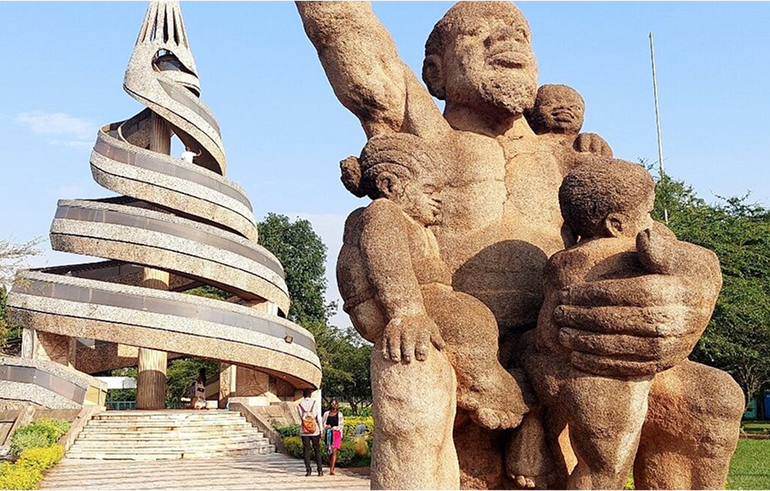
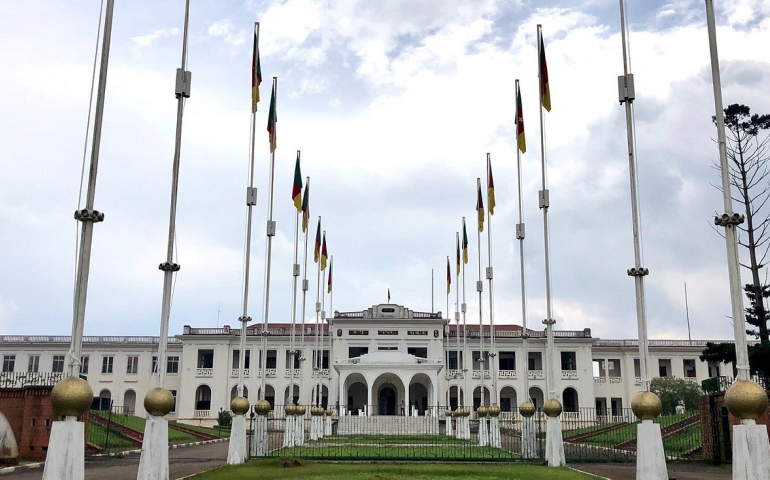
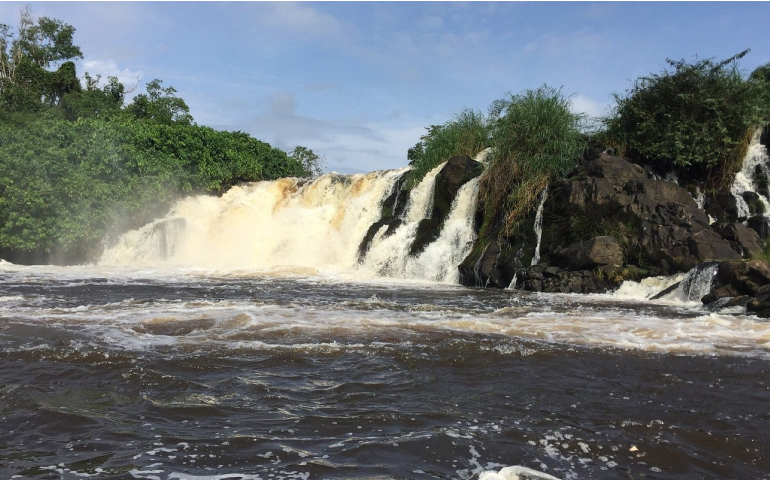
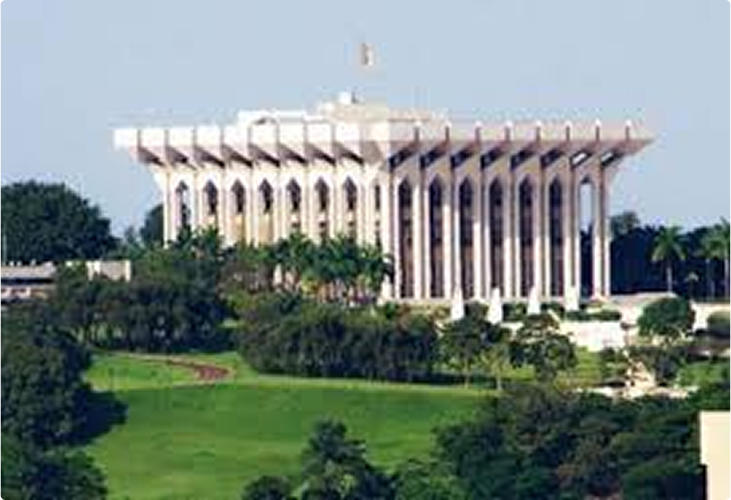
Known as “Africa in Miniature,” Cameroon reflects the full richness of the African continent through its diverse landscapes, cultures, and people. Located in Central Africa, the country shares borders with Nigeria, Chad, the Central African Republic, Equatorial Guinea, Gabon, and the Republic of the Congo, with a scenic coastline along the Gulf of Guinea. From tropical beaches and dense rainforests to the volcanic peaks of Mount Cameroon and the savannas of the north, the country’s geography is as varied as it is beautiful.
Cameroon is home to over 240 ethnic groups and just as many languages, grouped mainly among the Bantus, Semi-Bantus, and Sudanese peoples. This diversity is expressed through vibrant traditions, music, dance, and cuisine. The nation is officially bilingual (English and French), reflecting its colonial heritage, and remains a model of religious tolerance, where Christianity, Islam, and traditional beliefs coexist peacefully.
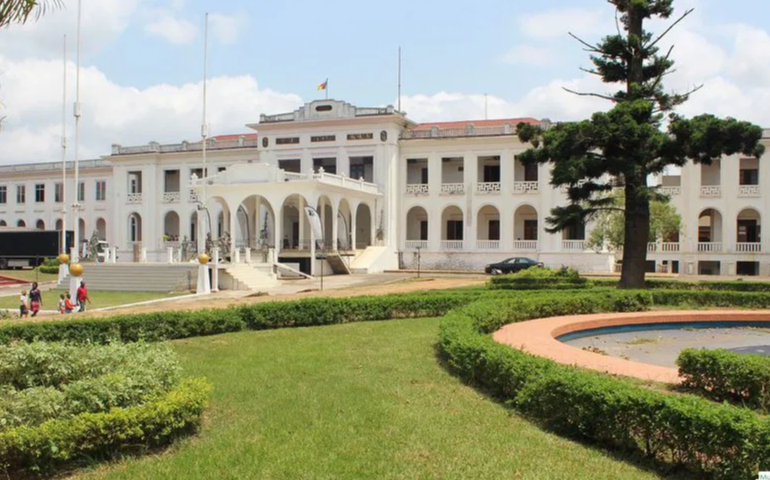
With Yaoundé as the political capital and Douala as the economic hub, Cameroon enjoys one of the most diversified economies in Central Africa, driven by agriculture, energy, and trade. Blessed with natural beauty, cultural wealth, and a spirit of unity, Cameroon proudly lives by its national motto: “Peace – Work – Fatherland.”
Relations with India
History of Cameroon
Early History
The earliest known inhabitants of Cameroon were the Baka (Pygmy) peoples, who continue to live in the forests of the southern and eastern regions. Bantu-speaking communities from the Cameroonian highlands were among the first to migrate outward, shaping much of the region’s early cultural landscape. The Mandara Kingdom, founded around 1500 in the Mandara Mountains, established fortified settlements whose origins remain partly mysterious. The Aro Confederacy of Nigeria may also have influenced western Cameroon through migrations in the 18th and 19th centuries.
In the late 18th and early 19th centuries, the Fulani, an Islamic pastoral people from the western Sahel, conquered much of northern Cameroon, displacing or converting the largely non-Muslim populations. Although the Portuguese arrived on Cameroon’s coast in the 16th century, malaria hindered European penetration into the interior until the late 19th century. European involvement remained limited to coastal trade and the slave trade, which declined by the mid-1800s. Christian missions began operating in the late 19th century and remain an enduring part of Cameroonian society.
Colonial Period
Path to Independence (1955–1960)
Post-Independence Era

Modern Cameroon
Institutions
Institutions of Cameroon
The Presidency & Central Services
Executive & Government
Legislature
- Senate (upper chamber)
- National Assembly (lower chamber)
Constitutional & Advisory Bodies
Ministries & Sectoral Institutions
- Ministry of External Relations
- Ministry of Finance
- Ministry of Agriculture and Rural Development
- Ministry of Trade
- Ministry of Higher Education
- Ministry of Environment, Nature Protection & Sustainable Development
- Ministry of Industry, Mines, and Technological Development
- Ministry of Public Health
- Ministry of Forestry & Wildlife
- Ministry of Public Works
- Ministry of Social Affairs
Business
Business & Investment in Cameroon
Key Sectors of Opportunity
Setting Up a Business
Entrepreneurs can visit the following official resources for assistance and guidance:
- Centres de Formalités de Création d’Entreprises (CFCE) – Create your business in 72 hours in Cameroon!
- Cameroon Investment Promotion Agency (CIPA) – Business Startup Support and Investor Facilitation
Investment Code
- Reaffirmation of a market-based economic system as the preferred mode of national organization.
- Recognition of the State’s central role in promoting social and economic development.
- Acknowledgment of entrepreneurs, investors, and private enterprises as key drivers of growth and job creation.
- Guarantee of freedom of enterprise and investment for all investors.
- Commitment to maintaining a stable and secure macroeconomic framework.
- Assurance of flexibility and responsiveness in decision-making to strengthen national competitiveness.
The Investment Code offers a range of fiscal and customs incentives, including tax holidays, duty exemptions, and simplified procedures for approved investment projects.
Source: https://www.prc.cm/en/invest-in-cameroon/investment-charter
Cameroon–India Economic Partnership
For business inquiries and partnerships:
- D-98, Anand Niketan, New Delhi – 110021
- haucocam.newdelhi@gmail.com

About Sections
Need Help?
For additional information or assistance

Visit
www.passcam.cm

Mayor Office
+44-(888)-12-345

Non Emergency
311 , (Payment, Parking …)
★ tourism & travel ★
Inspiration for Your Next Trip